USA Sweepstakes Whist Card Games: The Legal Loophole Mechanics
Most operators get the sweepstakes model catastrophically wrong because they treat Whist as a decorative theme rather than a compliance engine. The entire legality of USA Sweepstakes Whist Card Games hinges on one brutal fact: you are not selling a chance to win, you are distributing promotional entries with a predetermined value. Get that distinction wrong and you are running an illegal lottery with extra steps.
The mechanical core is the dual-currency system. Players receive Sweeps Coins as a promotional bonus tied to a purchase of Gold Coins, which carry zero redeemable value. The Whist card game layer is the skill-based wrapper that keeps the whole structure defensible under the gambling statutes of most states. ♠ This is not decoration. This is the firewall between a legal promotion and a felony charge.
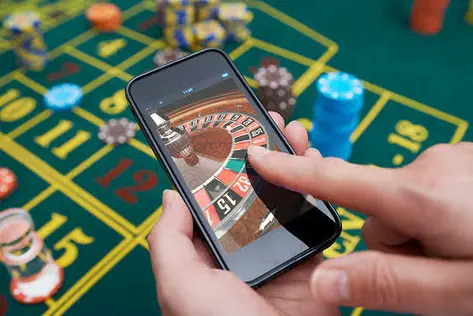
Why Old School Whist Beats Slots for Legal Cover
Whist is a trick-taking game with a documented skill ceiling. That matters enormously. When regulators and courts scrutinize USA Sweepstakes Whist Card Games, they look for a dominant factor of skill versus chance. A properly implemented Whist variant gives you a defensible skill argument that a spinning reel never will. The old school gambling aesthetic is not nostalgia bait; it is evidentiary armor.
Here is where the hardware and software crowd always trips. They bolt a card table skin onto a random number generator and call it skill-based. Auditors rip that apart in minutes. The shuffle, the deal, and the trick resolution must all be deterministic and replayable from a logged seed. If your Whist engine cannot reproduce a hand from a stored seed value, you have a compliance time bomb ticking under your floor. 💣
The Sweeps Coin Redemption Audit Trail
Redemption is the pressure point every auditor attacks first. Sweeps Coins must be earned through clearly disclosed promotional methods, tracked per account, and redeemed only after identity verification. Any operator who lets unverified accounts cash out is begging for a cease-and-desist. The Legal Old School Gambling framework demands that every redemption maps to a documented entry source. No paperwork, no payout.
Geofencing is non-negotiable. Your Whist tables must hard-block IP ranges and device geolocation from restricted states at the session layer, not the marketing layer. I have watched operators lose licenses because their geo-check lived in a JavaScript file that any script kiddie could spoof. Server-side enforcement or you are exposed.

Anti-Cheat Engineering in Trick-Taking Promotions
Collusion in Whist is subtle and deadly. Two accounts feeding each other information in a four-player trick game can drain a sweeps pool without ever triggering a velocity flag. You need behavioral fingerprinting on card-play timing, partnership win-rate clustering, and repeated table co-occurrence. ♥ The cheaters are not dumb; your detection stack cannot be either.
Random number generation for the deal must use a cryptographically secure source with published seed commitment. Provably fair is not a marketing slogan here, it is the only way to survive a regulatory audit of a USA Sweepstakes Whist Card Games operation. Hash the seed before the hand, reveal after resolution. Any deviation from that protocol is an admission of manipulability.
Payment Processor Survival Tactics
High-risk merchant accounts for sweepstakes promotions get frozen fast when chargeback ratios spike above one percent. The Whist skill element helps your chargeback defense because you can produce hand histories proving player agency. Keep those logs immutable for at least twenty-four months. Processors do not care about your theme; they care about dispute evidence velocity. ♣
Payout thresholds must be tiered and documented. Instant micro-redemptions attract fraud rings like flies. A staged verification ladder, starting with low-value automated checks and escalating to manual review above a set threshold, keeps your fraud loss ratio under control while preserving player trust. The redemption queue is where your legal exposure concentrates, so staff it with people who understand the difference between a promotional entry and a wager.
State-by-State Exposure Mapping
There is no uniform federal safe harbor for sweepstakes promotions. Each state legislature writes its own definition of consideration, and your Whist mechanic must flex to match. Operators who launch nationally with a single terms-of-service template are gambling with their corporate existence. Map every jurisdiction, document the legal theory for each, and version your ruleset by state code. The moment a state amends its statute, your engine needs a configuration push, not a legal scramble.